The tapestry of culture in Rajasthan is interwoven using vibrant colors, old traditions, and awe-inspiring artistic expressions. Of all the famous folk art forms that are popular, the Kalbeliya Dance Group in Rajasthan is among the best known, most captivating, and most well-known. Famous for its beautiful serpentine dances, hypnotic music, and captivating costumes. Kalbeliya is much more than an art form; it is a distinct cultural identity that honors the heritage, spirit, and culture of the people of the Kalbelia tribe.
The world-famous Kalbeliya folk dance has attracted audiences all over the world and was added to UNESCO’s Intangible Cultural Heritage List in 2010. Presently, Kalbeliya dance groups perform at festivals and cultural shows as well as international celebrations to keep their rich history alive and inspiring the next generation.
Origins of the Kalbelia Community
The Kalbelia tribe from Rajasthan has been historically connected to snake-charming and herbalism and nomadic lifestyles. For centuries, they traveled through Rajasthan’s deserts, performing tricks on snakes and enthralling local communities.
In the days of snake-charming being prohibited due to laws governing wildlife, the community was able to transform their identity and abilities in the performing arts. This was the beginning of the modern version of the Kalbeliya dance, an exemplary illustration of cultural adaptation and perseverance.
The music, songs, and dances have been passed down through generations of people. There are no written scripts, and there are no formal institutions for training, only a tradition that is kept alive through memories, practice, and passion.
Graceful Movements Inspired by Serpents
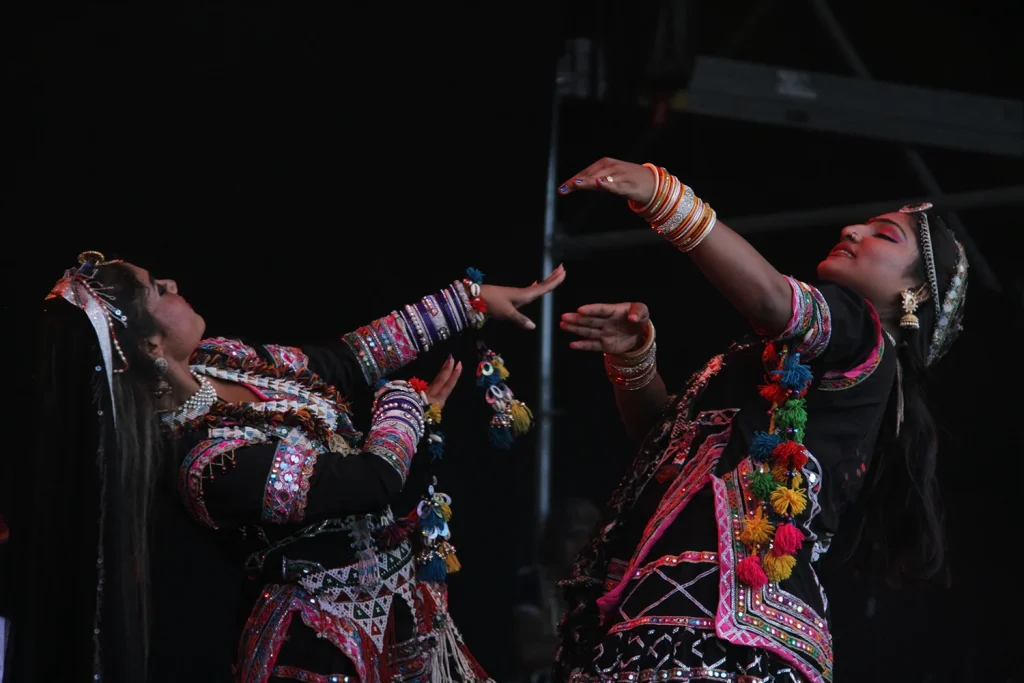
The most striking thing about this Kalbeliya Dance Group in Rajasthan is its snake-like, fluid motions. Dancers take intricate steps which mimic the movement of snakes—bending and swaying, spinning and twirling with incredible speed.
The most important features of the dance are
- Twirls of the waist and hips which resemble snakes in motion
- Speedy and complex spinning that demands stamina and accuracy
- Flexible arm and torso movements similar to the rising hood of cobras
- Footwork that is rhythmic that is synced with traditional live music
The grace and agility of the dancers will leave viewers stunned. They are able to move on and off without losing their balance is one of the most popular aspects of the show.
Traditional Costumes – A Visual Delight
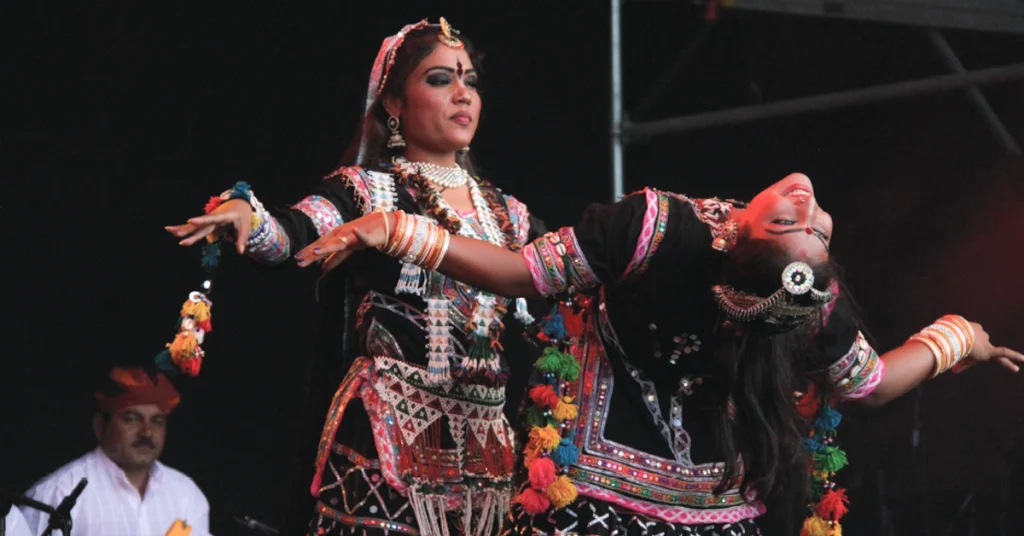
Kalbeliya costumes are a mix of tribal style and artistic design. The women who dance wear:
- Long black Ghagra (skirt) decorated with vibrant thread, embroidery and silver thread
- Angrakha (blouse) that is perfect to match the overall look
- Odhani (veil) elegantly draped over the head
- Silver jewelry made of traditional design Bangles, anklets, bangles and belts for the waist
The black outfit symbolizes the snake, whereas the vibrant embroidery and sparkling mirrors reflect the desert vibrancy of Rajasthan.
As dancers spin around at a high speed, their skirts create an amazing visual swirl, one of the main reasons why this dance is a hit with viewers from all over the world.
Music Instruments That Bring Kalbeliya to Life
A Kalbeliya show is not complete without the traditional live music. The tribal members perform on musical instruments in use for many centuries.
Main musical instruments:
- Poongi (Been): A woodwind instrument that is used by snake charmers.
- Dholak: A double-headed drum that creates rhythm.
- Khanjari: A tambourine-like instrument adding beats and energy
- Morchang The jaw-harp produces a unique metallic vibrato
Together, they create a captivating melody that grows in tempo as the dancing grows more intense.
Kalbeliya Dance at Festivals & Events
The Kalbeliya Dance Group in Rajasthan is a must at:
- Desert Festival, Jaisalmer
- Pushkar Fair
- Teej Festival, Jaipur
- Rajasthan Heritage Week
- Weddings & destination events
- Nights of culture in resorts and hotels
- International folk festival
Their lively performances bring to life the spirit of Rajasthani culture and draw tourists from all over world.
A Symbol of Rajasthan’s Cultural Pride
Presently, Kalbeliya dance is not only a tribal custom—it’s an emblem of the art and craftsmanship in Rajasthan. Numerous dance organizations, such as those that are featured on platforms like Meena Sapera’s Kalbeliya Dance Group, are doing their best to protect this precious cultural heritage.
Many talented young performers of members of the Kalbelia group have toured internationally all over the world, all the way from Europe to America in a show that showcases Rajasthan’s culture on world-class stages.
The dance is constantly evolving, but it is also authentic and demonstrates the eternal beauty of folklore.
Summary
Kalbeliya dancing is one of the renowned folk art forms that is performed in people from the Kalbelia (snake-charmer) people in Rajasthan. The dance is known for its snake-like movements, spinning techniques, colorful costumes, and live music; the Kalbeliya dance is a symbol of Rajasthan’s rich culture. The dance was acknowledged in the eyes of UNESCO in its designation as one of the Intangible Cultural Heritages. In the present, a variety of Kalbeliya Dance groups from Rajasthan dance at weddings, festivals, and international occasions, helping to conserve and promote this unique art form.
FAQs
Q. What exactly is Kalbeliya dance?
Ans. Kalbeliya is a folk tradition dance performed by the Kalbelia tribe of Rajasthan and is renowned for its fluid snake-like movements and quick dance moves that are performed to live music.
Q. What makes Kalbeliya dance a hit in the world?
Ans. Its distinctive movements, vibrant costumes, and lively performances have earned it international recognition. It’s included as UNESCO’s Intangible Cultural Heritage.
Q. What instruments are utilized in Kalbeliya dance performances?
Ans. Common instruments include the poongi (been), dholak, khanjari, and morchang. Where can I watch Kalbeliya, the dancer, in Rajasthan?
Ans. Performances are available at festivals of culture and weddings in hotels and by professionally run groups from Jaipur, Jodhpur, Pushkar, and Jaisalmer.